 blog
Let's Explore Fantasy Literature With Visual Art!
Last Updated: November 2, 2026
I’m not the only one that puts images in their fantasy books. It’s become quite popular, especially if you look at the campaigns on Kickstarter. There is a growing demand for illustrated fantasy books, so I thought I’d write a little something about it.
Quick Summary
Visual art in fantasy literature weaves paintings, and drawings, into a novel's plot, characters, and world building rather than treating images as decoration. It falls into three types: art as theme, art as magic, and illustrated editions. Telling these apart matters, since a gorgeous cover may contain no art inside at all. Which is OK too.
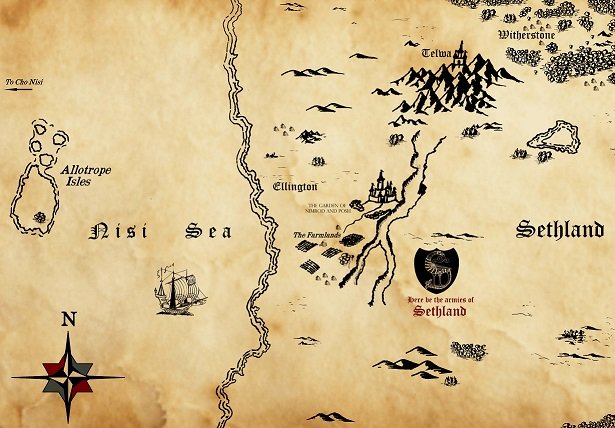
- A map is an illustration and one of the most popular in fantasy. Always look for maps!
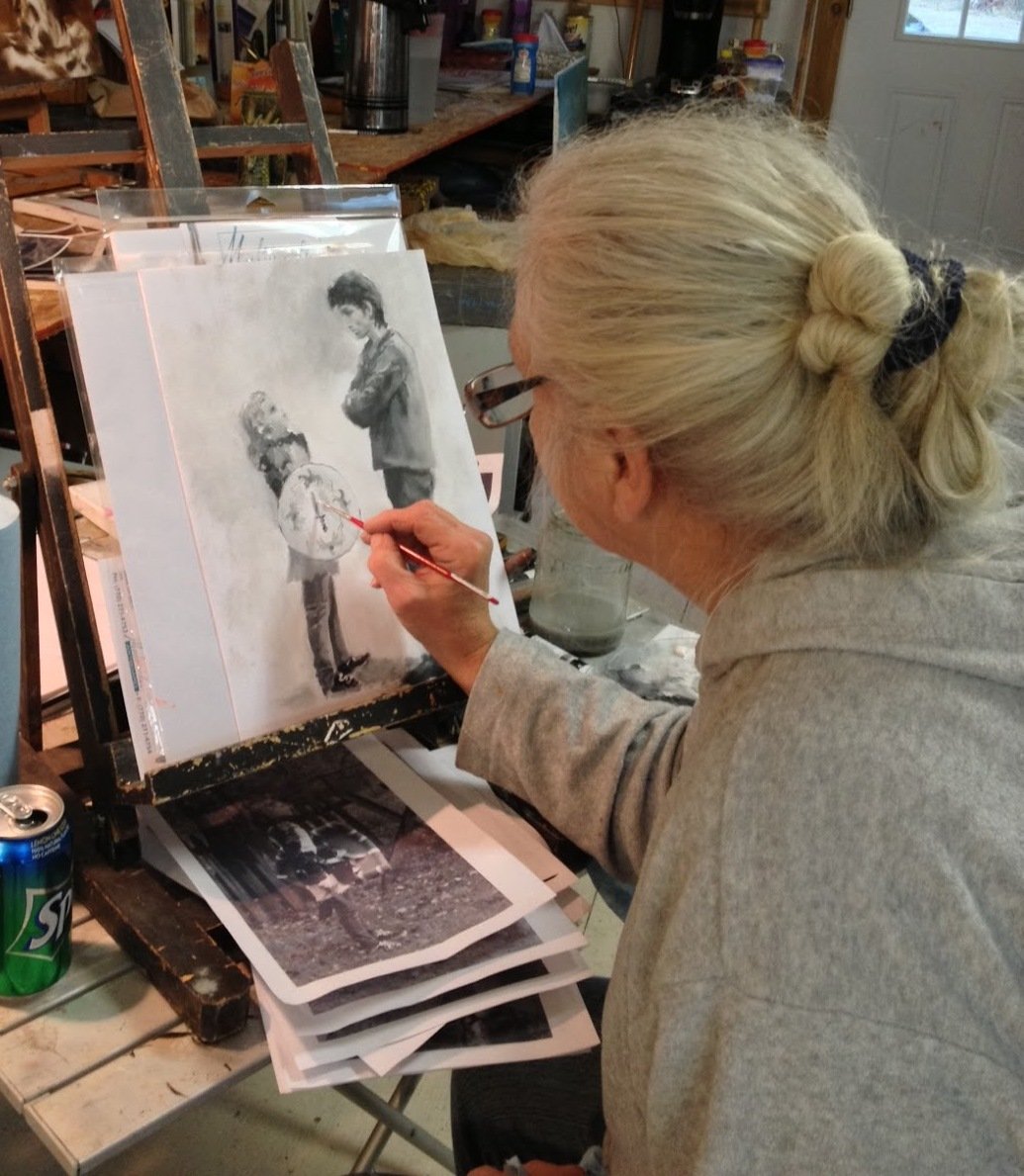
- Digital painting is the most common art form in fantasy because a scene or a portrait can carry secrets. I have a couple of books that are illustrated with my oil paintings.
- Judge an illustrated edition by where the art sits, whether it matches the prose, print quality, and physical details.
How Visual Art Integration Changes Fantasy Literature
Visual art in fantasy literature falls into three types:
- Art as theme, the story explores creativity, obsession, or the cost of making things.
- Art as magic, painting or drawing produces emotions.
- Illustrated editions, the text stands alone, but the physical book carries artwork that deepens mood and setting.
Digital Painting and Visual Art in Fantasy Narratives
Painting is the most common art form in fantasy. The art shapes the plot and is a system where creative acts produce measurable effects: a painted door opens, a drawn creature breathes, a carving alters memory. The best versions come with costs and limits, because unlimited creative power removes tension. Art changes plot by creating objects that carry information: a forged portrait, a stolen sketchbook, a mural that predicts an event. What someone chooses to paint, and refuses to paint, reveals character faster than dialogue, while a single described artwork can establish a culture's values, religion, and history in a few sentences.
Illustrated Fantasy Novels for Adults Worth Your Shelf Space
Illustrated fantasy novels for adults are full-length fantasy books with artwork printed inside: full-page plates, chapter headers, maps, and decorative edges. The prose is written for adult readers, and the art deepens the atmosphere. Readers can also browse an illustrated anniversary edition with interior images.
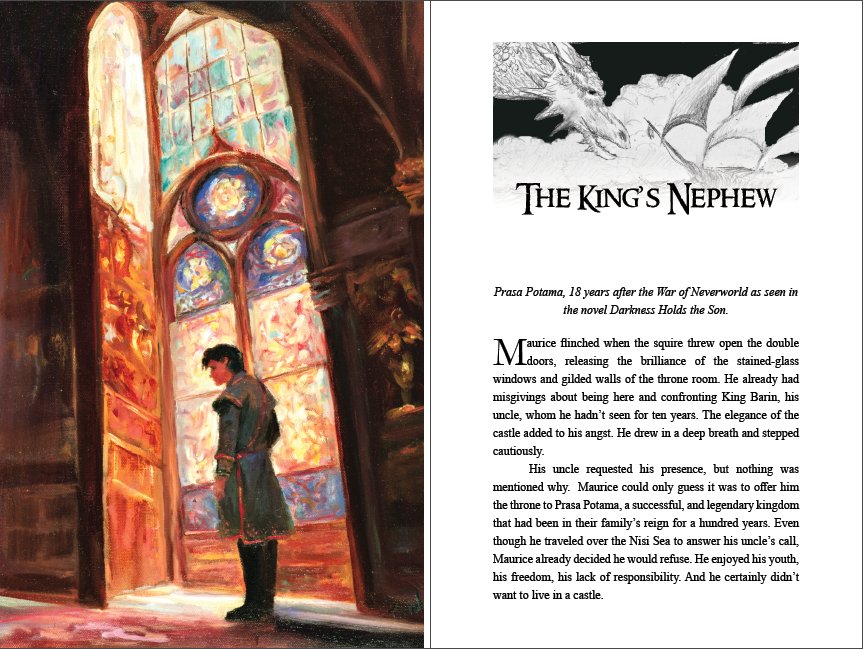
When judging an illustrated edition, look at four things:
- Where the art sits. Full-page plates create pauses; art beside the text keeps the reader inside the scene.
- Whether the art matches the prose. Mismatched style breaks immersion fastest.
- Print quality. Paper weight and color reproduction decide whether artwork looks rich or washed out.
- Physical details. Printed edges, foil stamping, and textured dust jackets separate a reading copy from a shelf piece.
Best for: readers who want to display a book as much as read it.
Multimedia Fantasy Storytelling Techniques That Deepen Immersion
Multimedia fantasy storytelling tells one story across several formats, such as a novel, artwork, and a screenplay, so each adds something the others cannot. It only works when each piece stands on its own. Readers can start with a fantasy collection of novels and short stories.
Three techniques do most of the work:
- Anchor art to a specific scene. Artwork tied to a named moment makes the reader recall the page, not just the picture.
- Keep a consistent visual language. The same palette, costume details, and architecture across formats tells the reader it is one world.
Watch out: buying a "multimedia" bundle before checking whether the art and text actually match. If the visual style clashes with the prose, the extra material pulls you out of the story.
Connections Between Literature and Visual Art
The link between literature and visual art is older than the novel itself. Medieval manuscripts paired text with illumination, and mythic imagery moved between painting and written story for centuries. The challenge with visual art integration in fantasy literature is that most books promise atmosphere and deliver decoration.
D.L. Gardner Books builds fantasy around exactly that idea, with a multi-disciplinary approach spanning imaginative literature, visual art, and screenwriting, all focused on the fantasy genre. Get started with D.L. Gardner Books and explore fantasy worlds across literature, visual art, and screenwriting.
Frequently Asked Questions
How does visual art enhance the reading experience in fantasy literature?
Art gives readers a fixed anchor for places and characters that text alone leaves open to interpretation. A single illustration can establish a city's architecture, a character's posture, or a magic system's visual logic in a way paragraphs take pages to build. Visual art integration also affects pacing: artwork placed at a turning point gives the reader a pause to absorb what just happened. For many readers, that combination of prose and image makes the world easier to hold in memory long after the book ends.
What is the difference between illustrated fantasy books and graphic novels?
Illustrated fantasy novels for adults remain prose-first. The text carries the story, and artwork appears as plates, chapter openers, or maps that support specific moments. Graphic novels tell the story primarily through sequential panels, with dialogue and captions doing the narrative work. Neither is better, but they suit different reading habits. If you want long descriptive passages and interior character thought, an illustrated novel fits. If you prefer visual pacing and dialogue-driven scenes, a graphic novel is the closer match.
Why is multimedia storytelling becoming popular in the fantasy genre?
Fantasy worlds are expensive to build in a reader's imagination, and audiences now expect to see them across formats. Multimedia fantasy storytelling techniques let a story exist as a novel, an audiobook, a piece of original art, and a screenplay without losing its core. Readers who finish a book can stay inside the world through visuals or audio rather than waiting for the next installment. For creators, that means one imaginative investment reaches readers who prefer different ways of consuming fiction.
